

Consignors maintain the rights to their property until the item is sold or abandoned. Many consignment shops and online consignment platforms have a set time limit (usually 60–90 days) at which an item’s availability for sale expires. Selling on consignment is a great option for an individual or business that does not have a brick-and-mortar presence, although consignment arrangements can also exist in cyberspace. To a dollar-value lifo method calculation certain degree, online companies such as eBay are consignment shops; for a percentage of the sale, they offer people a marketplace to exhibit and sell their wares. This removes the necessity for an individual to have to create their own website, attract customers, and set up payment processes. Likewise, items marketed and sold through television channels—such as the as-seen-on-TV phenomenon—are forms of consignment.
Can I reclaim my goods from a consignment store?
Bethany and the thrift store come to an agreement that Bethany will receive 60% of the revenues from the items sold while the thrift store will receive the remaining 40%. A person wishing to sell an item on consignment delivers it to a consignment shop or a third party to do the selling on their behalf. Before the third party takes possession of the good, an agreement must be reached as to the revenue split when the item is sold. While eBay is known for peer-to-peer sales, it also offers a consignment service for select products, such as luxury handbags. Sellers can send their items to the platform, which authenticates, lists, sells, and ships them.
- Gen Z and millennial shoppers are driving this trend, prioritizing second-hand items for both economic and environmental reasons.
- Consignment shops differ from charity or thrift shops in which the original owners surrender both physical possession and legal title to the item as a charitable donation, and the seller retains all proceeds from the sale.
- She takes the clothes to a thrift store to sell the clothes on consignment.
- A specified time is commonly arranged after which if the item does not sell, the owner is expected to reclaim it (if it is not reclaimed within a specified period, the seller can dispose of the item at discretion).
- For artworks, for example, it’s not uncommon for galleries to charge a 50% commission.
Examples
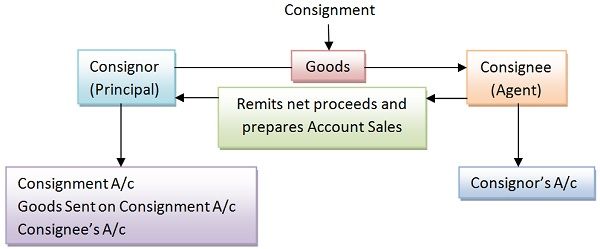
In the 21st century, so-called consignment shops have become trendy, especially those offering specialty products, infant wear, pet care, and high-end fashion items. The millennial generation, in particular, is known for its frugal shopping habits, which include eschewing high-end stores and designer boutiques in favor of bargains found at thrift and consignment shops. Most consignment shops take between 40% to 60% of the sale price. The split often depends on the shop’s brand reputation and sales volume. A well-known shop might ask for a bigger cut, but they might also sell your items faster.
Art galleries
Consignment taps into this shift by giving products a second life and reducing waste. The legal conditions of consignment trade have been clear since ancient times. Internationally, this previously common form of international consignment trade is now quite rare. This is because there are major legal, tax-related, and accounting difficulties in conducting cross-border consignment trade. It allows you to reach a wider audience without opening your own store, while consignees can offer a diverse inventory without the upfront investment. Whether you’re thinking about selling through consignment or adding it as a new revenue stream to your business, we’ve got you covered.
Consignment in inventory control
If it doesn’t sell, you usually don’t owe anything, and the store returns your items. The RealReal is an online consignment powerhouse for authenticated luxury goods. They accept a wide range of high-end items from consignors, including designer clothing, jewelry, watches, and home décor. The RealReal handles everything from consignment agreements to pricing and selling.
When an item sells, you both celebrate—and split the profits based on your agreement. The primary disadvantage of the consignment model for producers or owners is that consignment shops typically charge a high level of commission on consignment sales. For artworks, for example, it’s not uncommon for galleries to charge a 50% commission.
Artists (consignors) entrust their artwork to galleries (consignees). The galleries display the artwork, handle marketing and sales, and take a commission from each sale. Most consignment shops have standard fee schedules that indicate the percentage of the sales price that is paid to the shop and the percentage paid to the seller. However, many consignment shops are willing to negotiate, particularly for larger-ticket items, such as artwork, that offer greater revenue potential.
These include clothing, athletic equipment, furniture, musical instruments, art, and jewelry. They’ll either return them to you or, with your permission, donate them to charity after a specified period. In business law and accounting, the concept of consignment trade has particular meaning. Gen Z and millennial shoppers are driving this trend, prioritizing second-hand items for both economic and environmental reasons.